Thinking About a Cotton or Linen Sweater? Start Here!
Plant-based yarns can be absolutely gorgeous in sweaters. They’re breathable, cool to wear, and they give that effortless “summer knit” look that wool just doesn’t do in the same way.
But here’s the thing: plant fibers don’t behave like wool.
So if you’ve ever knit with cotton and wondered why your hands felt tired… or worked with linen and thought, why does this feel like I’m knitting with string? …you’re in very good company.
These fibers have their own personalities. And once you understand what they want to do, your yarn choices get steadier, your expectations feel more realistic, and your finished sweater is way more likely to become something you actually reach for.
Let’s walk through what makes plant fibers feel so different—and how to work with them instead of fighting them.
Why Plant Fibers Feel Different From Wool
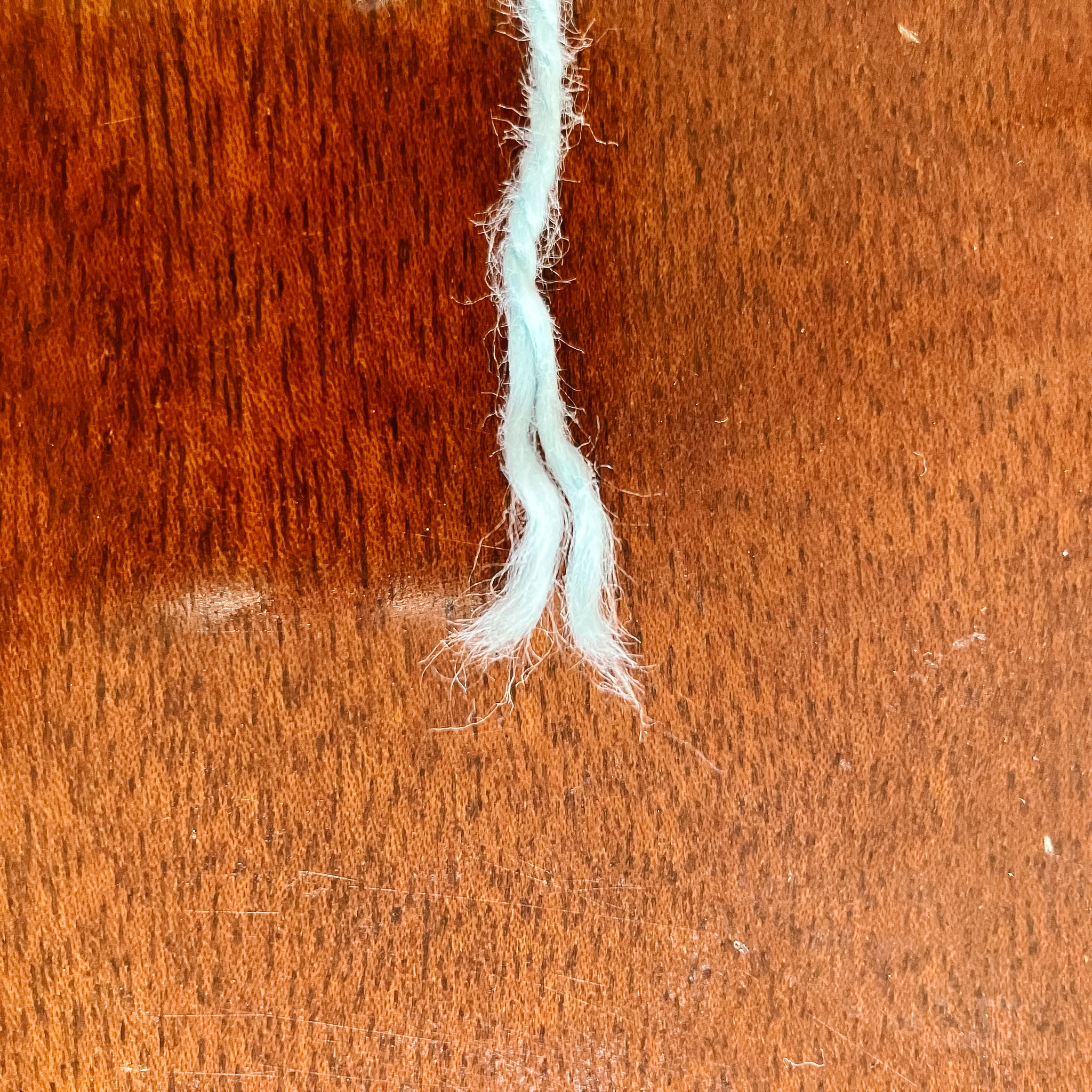
Wool has a special quality knitters often don’t realize they’ve been relying on until it’s gone: elasticity.
Wool has natural crimp and bounce, which means it stretches, recovers, and forgives. It can hold a shape. It can spring back. It can make sweater knitting feel a little gentler on your hands and a little more flexible in the fabric.
Plant fibers—like cotton, linen, and hemp—are different. Most of them have very little elasticity, especially when they’re 100% plant fiber. That lack of bounce shows up in a few ways:
Knitting can feel more tiring because the yarn doesn’t “give” as much. Your will need to give your hands more breaks during your knitting sessions
The fabric often has more drape and less structure
Sweaters may be more likely to grow with wear, depending on the fiber and construction
That isn’t a reason to avoid them. It’s just a reason to choose them with your eyes open—because plant fibers can be magical when they’re matched to the right sweater.
Cotton: Soft, Familiar… and Sometimes Tricky
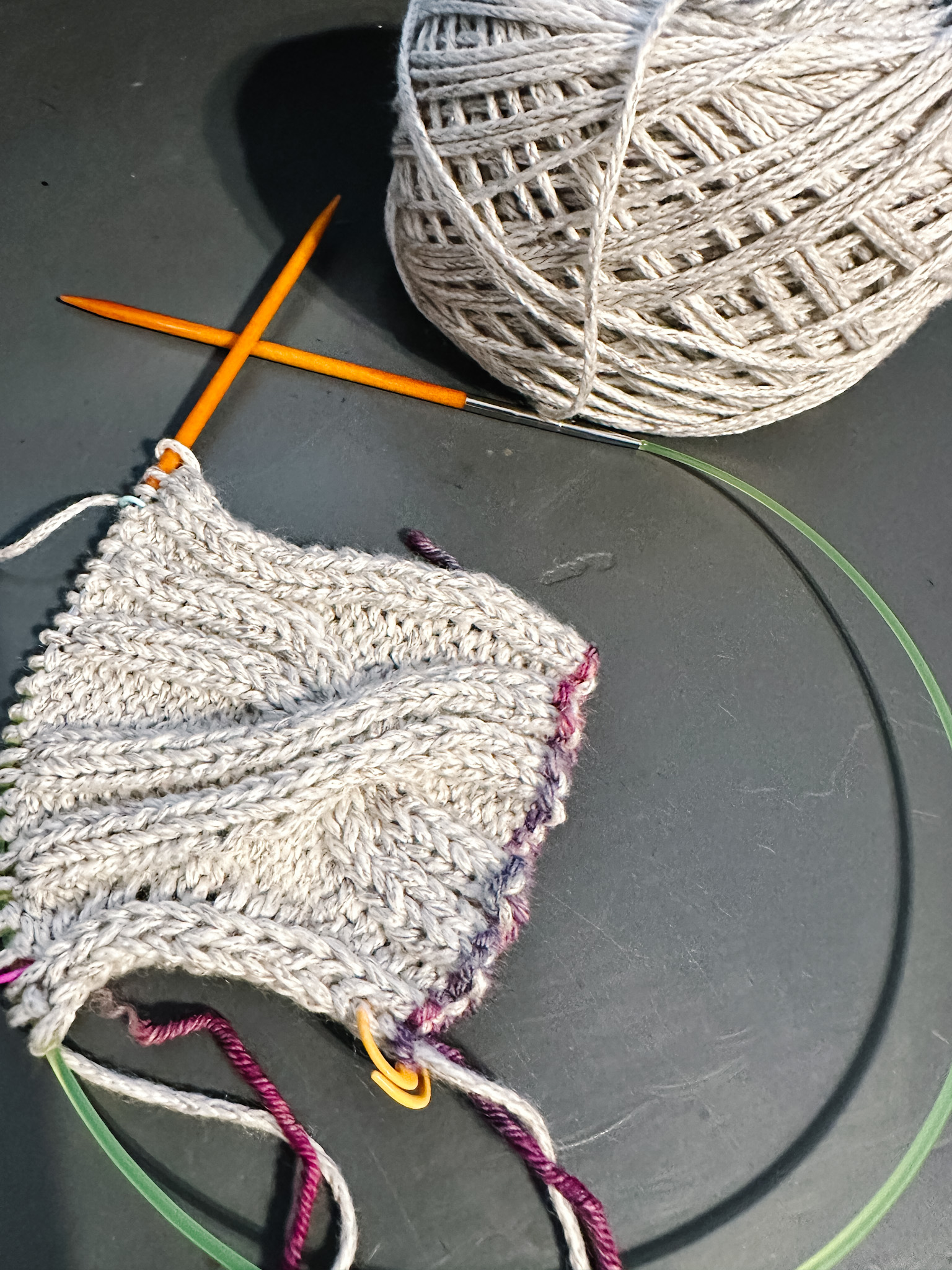
Cotton is often the first plant fiber knitters reach for because it feels familiar and it can be wonderfully soft. Cotton sweaters can feel cool and breathable, and it’s a great option when you want something that doesn’t feel warm and lofty.
But cotton has one big quirk: it doesn’t have natural bounce. So it can feel heavier in the fabric, and it can be more likely to “hang” rather than “hug.”
Cotton also varies a lot depending on how it’s spun. Some cottons feel smooth and soft, while others can feel twisty or even slightly twine-like in your hands. (This is often related to staple length and how much twist is needed to make a stable yarn.) And just like wool there is also the quality of the cotton that plays a role in it’s softness and wearability. What’s good for a washcloth or dishrag isn’t going to be nice as a sweater yarn.
If you love cotton for sweaters, one of the most helpful mindset shifts is this: you’re not just choosing a fiber—you’re choosing a fabric outcome. And cotton tends to reward knitters who give it a little more structure.
A gentle, practical tip: a slightly tighter gauge often helps cotton garments hold their shape better over time.
Linen: Strong, Drapey, and Better With Age
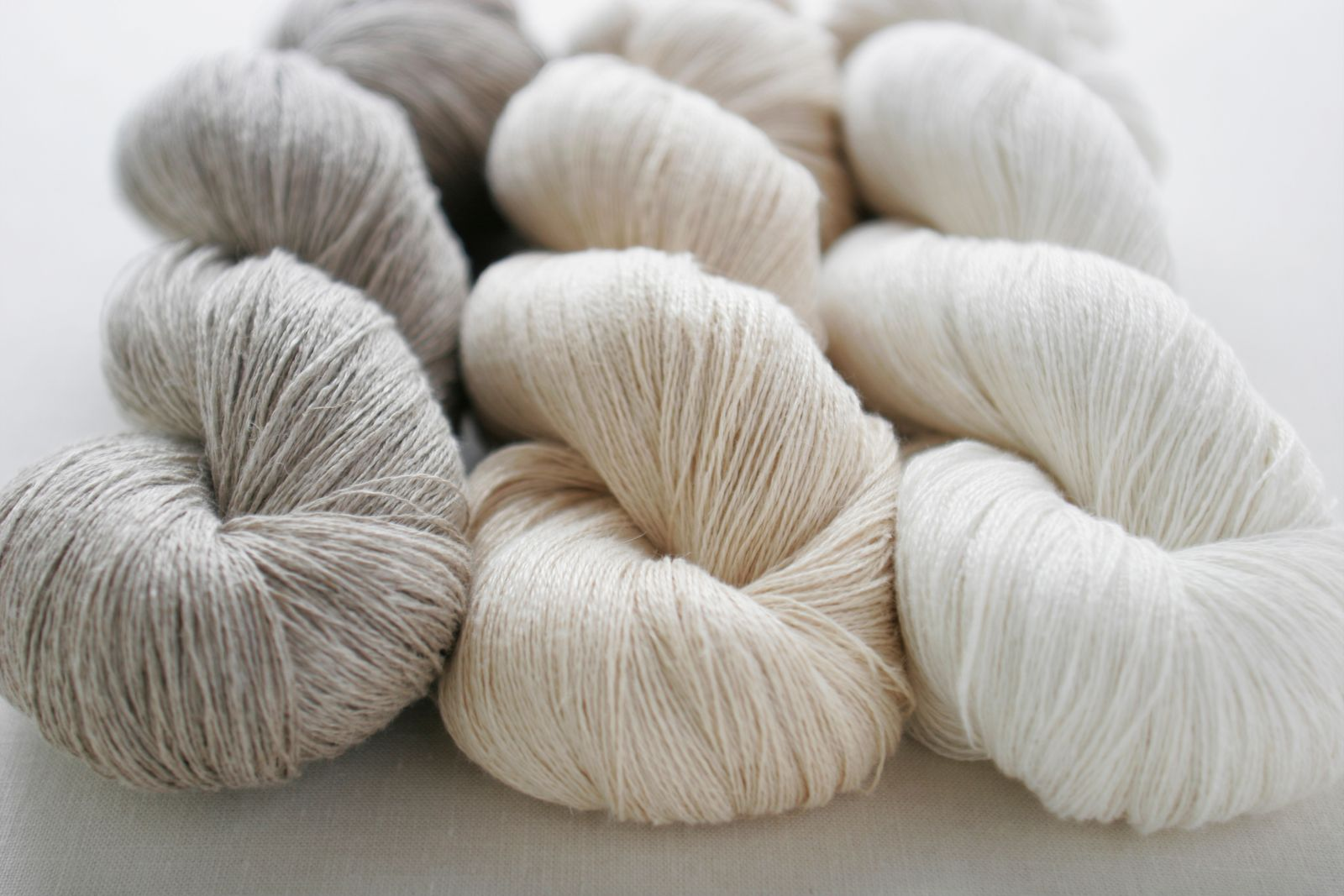
Linen comes from the flax plant, and it has a reputation for being… a little stubborn at first. If you’ve ever thought, this feels stiff, or this is kind of stringy, you’re not imagining it.
Linen is typically even less elastic than cotton, and at first it can feel crisp in the skein and firm in your stitches. But linen has a beautiful secret:
It softens with wear.
The more you wash it and live in it, the more it relaxes into that easy, airy fabric people love for warm-weather knits.
Linen is strong, breathable, and moisture-wicking, and it’s a wonderful choice when you want drape and an elegant, lived-in feel.
The tradeoff is that linen isn’t trying to “bounce back” into shape—so if your sweater needs recovery (like snug cuffs, a firm neckline, or fitted shaping), you’ll want to think about support through gauge, design, or blending.
And bonus side note, if you're one of those who pick the tweed or uneven bumps of your yarn as you knit, be careful of pulling your linen out of your yarn. I have several students or customers who just can’t help themselves and too much of that can compromise your yarn longevity.
Hemp: Durable and Strong—Often Best in Blends
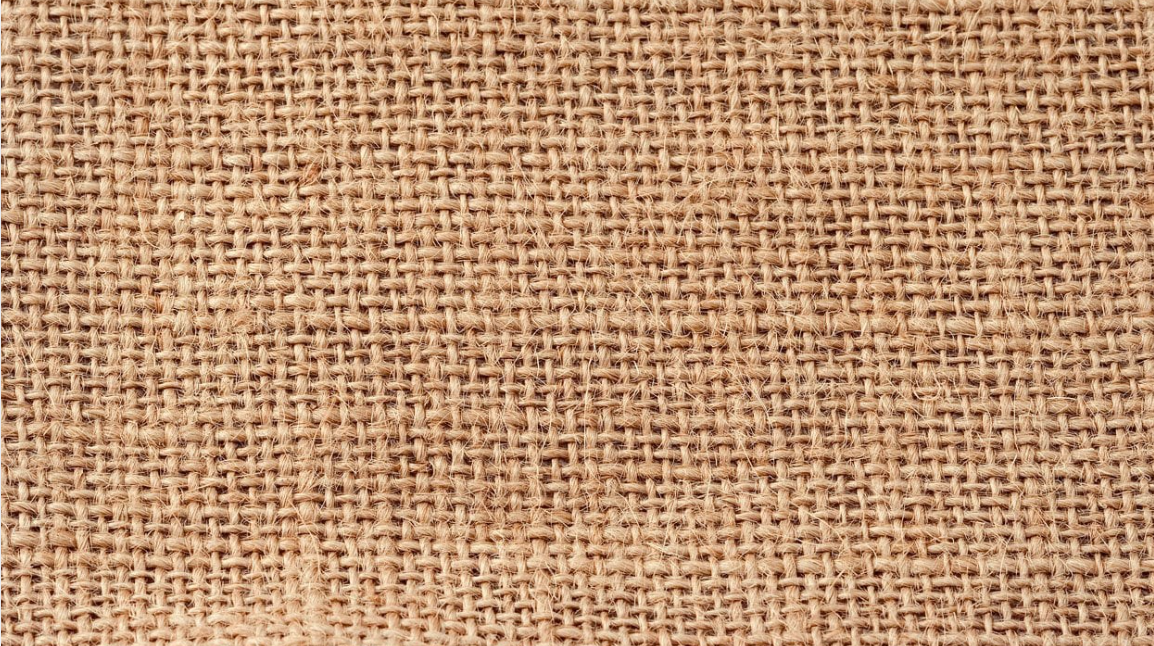
Hemp behaves similarly to linen in a lot of ways. It’s strong. It handles real life well. And it tends to get nicer with washing and wearing.
Whatever it is, the way you tell your story online can make all the difference.
But hemp can also feel a bit firm on the hands when it’s used on its own, and it often shines most when it’s part of a blend. A hemp blend can add strength and longevity to a yarn without making the whole sweater feel like “work” to knit.
If you’re someone who loves the idea of plant fibers but wants a more comfortable knitting experience (and a fabric that feels friendlier against the skin), hemp blends are worth a look.
Bamboo, Rayon, and Viscose: Softness With Slip
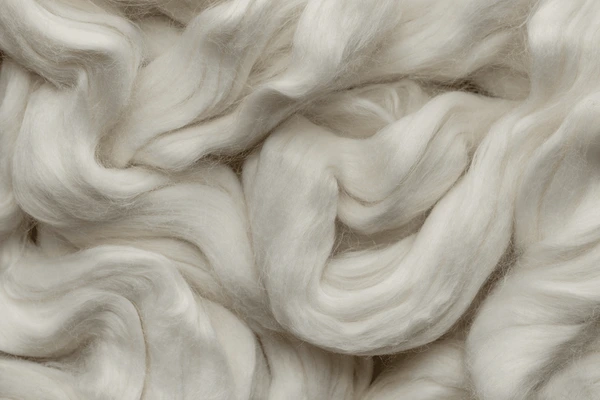
This category can be confusing because many “bamboo” yarns are not simply bamboo in the way knitters imagine it. Bamboo is often heavily processed into a fiber like rayon/viscose, which changes how it behaves.
What you’ll often notice with bamboo/rayon/viscose yarns is:
gorgeous softness
a smooth, shiny look
lots of drape
and… a lot of slip
These fibers are usually very low elasticity, and in knitted fabric they can grow or stretch, especially in heavier garments.
If you adore the feel, this is where blends can be your best friend—pairing slippery plant-based fibers with something that adds a little stability.
I just finished a sweater that had a good amount of bamboo in it and I knew that it would grow and stretch lengthwise with wear so I intentionally knit that sweater at a much tiger gauge to prevent having it grow by 3 to 5 inches.
Silk: Shine, Drape, and Luxury (With a Bit of Weight)
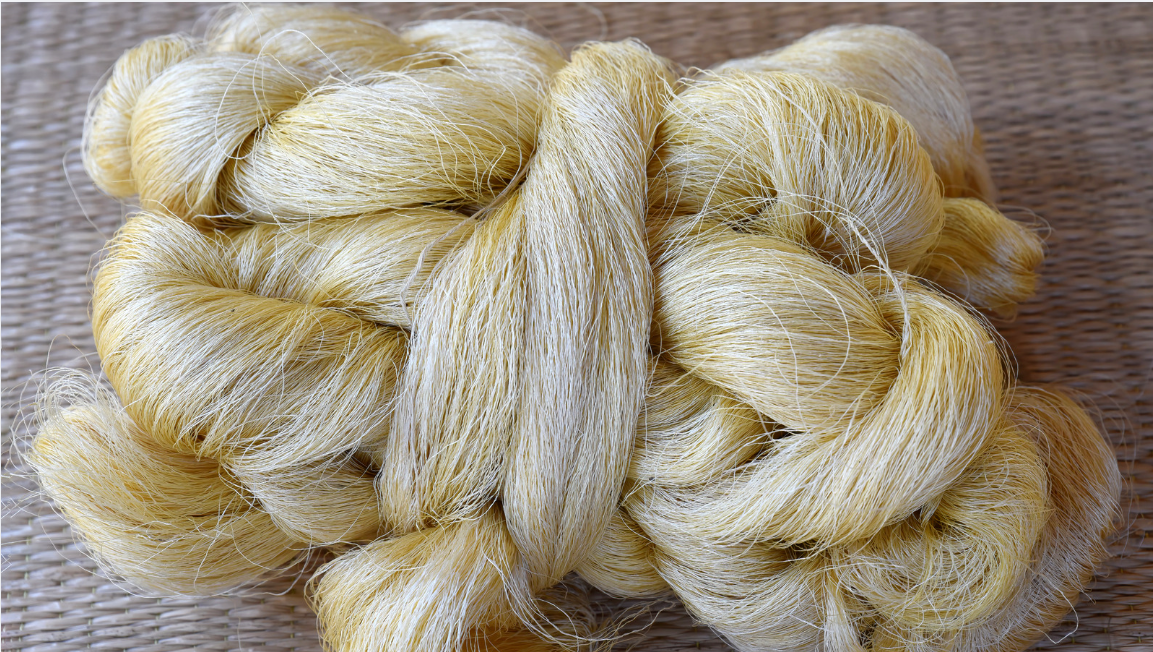
Silk is its own special situation. It has a beautiful glow, softness, and drape—and it can make a sweater feel absolutely luxurious.
But silk can also be slippery and, in larger amounts, heavier in fabric. A little silk can add a gorgeous “light” to a yarn without sacrificing too much structure. In many sweater yarns, silk is most supportive when it’s part of a blend rather than the whole story.
Think of silk like seasoning: a little can transform the whole dish.
What This Means for Sweater Knitting (So You Get a Sweater You’ll Actually Wear)
Plant fibers can make incredible sweaters—especially for warmer weather. But they usually ask us to knit with a little more intention.
Here are the big takeaways I want you to walk away with:
Expect less bounce than wool. That’s normal—plan for drape instead of spring.
Construction matters. Seams, supportive edges, and thoughtful finishing can make a big difference.
Gauge is a tool, not a rule. A slightly tighter gauge can add structure and help a sweater hold its shape.
Blends can give you the best of both worlds. Pairing plant fibers with a fiber that has more memory can create a fabric that behaves more predictably.
And if you’ve ever made a plant-fiber garment that grew or felt heavier than expected? That doesn’t mean you failed. It just means the fiber did what it does—and now you know what to watch for next time.
A Gentle Closing Thought
Choosing yarn for a sweater isn’t about finding the “perfect” fiber. It’s about understanding what the fiber wants to do—and choosing a project that works with it instead of against it.
That’s how sweater knitting becomes calmer. More predictable. And honestly… more fun.
Want Help Choosing Sweater Yarn with More Confidence?
For sweater tips, fiber insights, and calm guidance delivered to your inbox,
If you want step-by-step support as you knit your first sweater (or your first one that truly fits and feels good),
For early-to-intermediate sweater knitters (graduates of Mastering Your First Sweater or knitters who’ve made at least two sweaters) who want ongoing support, knit-alongs, workshops, and Team Sweater guidance.
If you want to feel more prepared the next time you shop for yarn,