Why Your Sweater Yarn Isn’t Behaving the Way You Expected
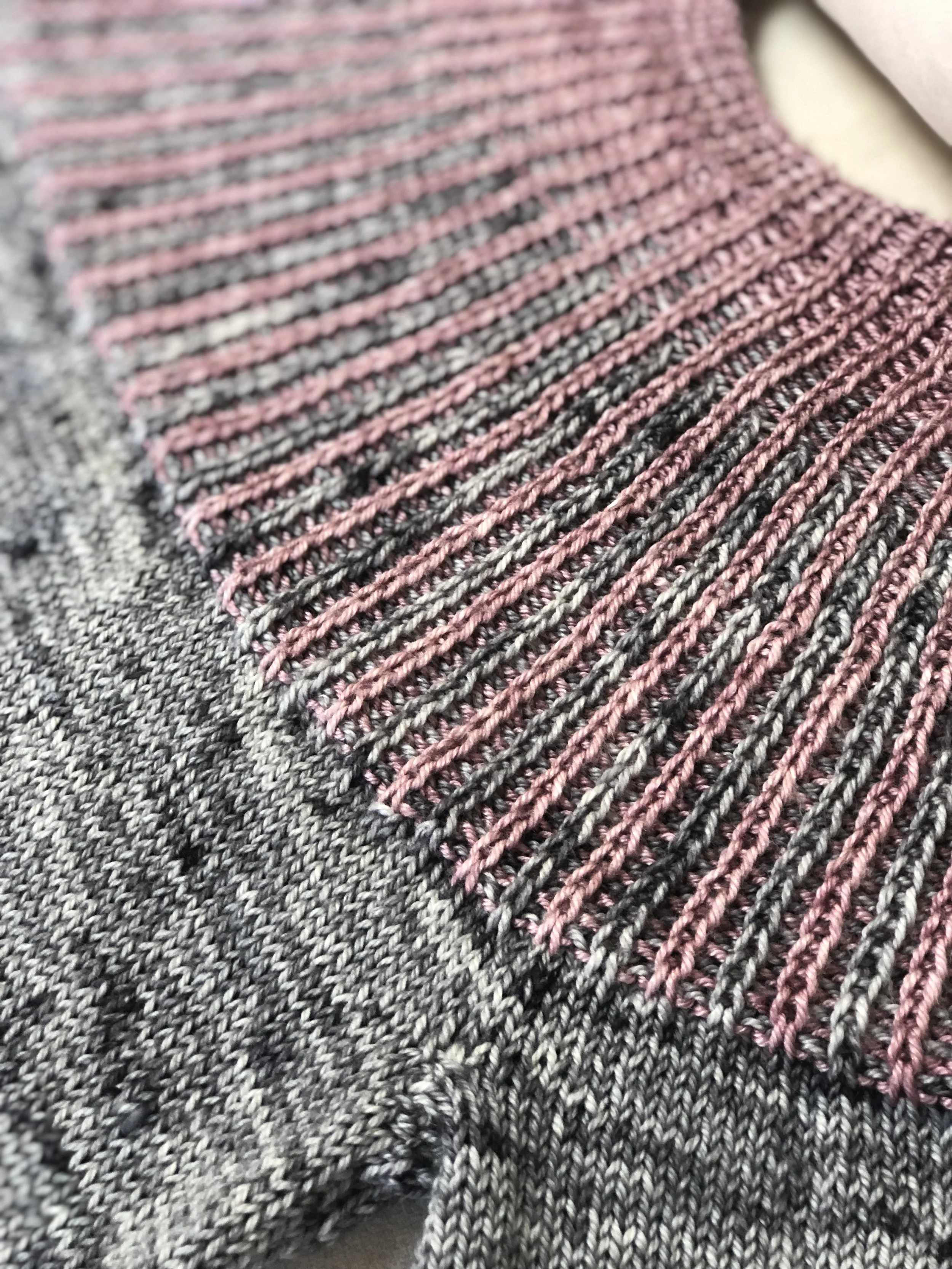
Have you ever picked yarn that felt perfect in the skein—soft, cozy, buttery—only to finish the sweater and think… wait, why is this doing that?
Maybe it grew after blocking.
Maybe it feels heavier than you imagined.
Maybe the stitches look different once it’s on a body and not on needles.
If you’ve been there, I want you to hear this clearly: You didn’t do anything wrong.
This is one of the most common sweater surprises, and it happens because yarn behaves differently in a garment than it does in your hand—or even in a ball.
The missing piece usually isn’t skill. It’s fiber behavior: how a yarn’s content, twist, and bounce (or lack of bounce) affect the fabric once it becomes something you actually wear.
And the good news? When we understand what yarn wants to do, sweaters feel a lot less like a guessing game.
Soft Yarn Doesn’t Always Mean Good Sweater Yarn
Most of us shop with one big goal first: softness. And honestly… I get it. We want sweaters that feel good against our skin.
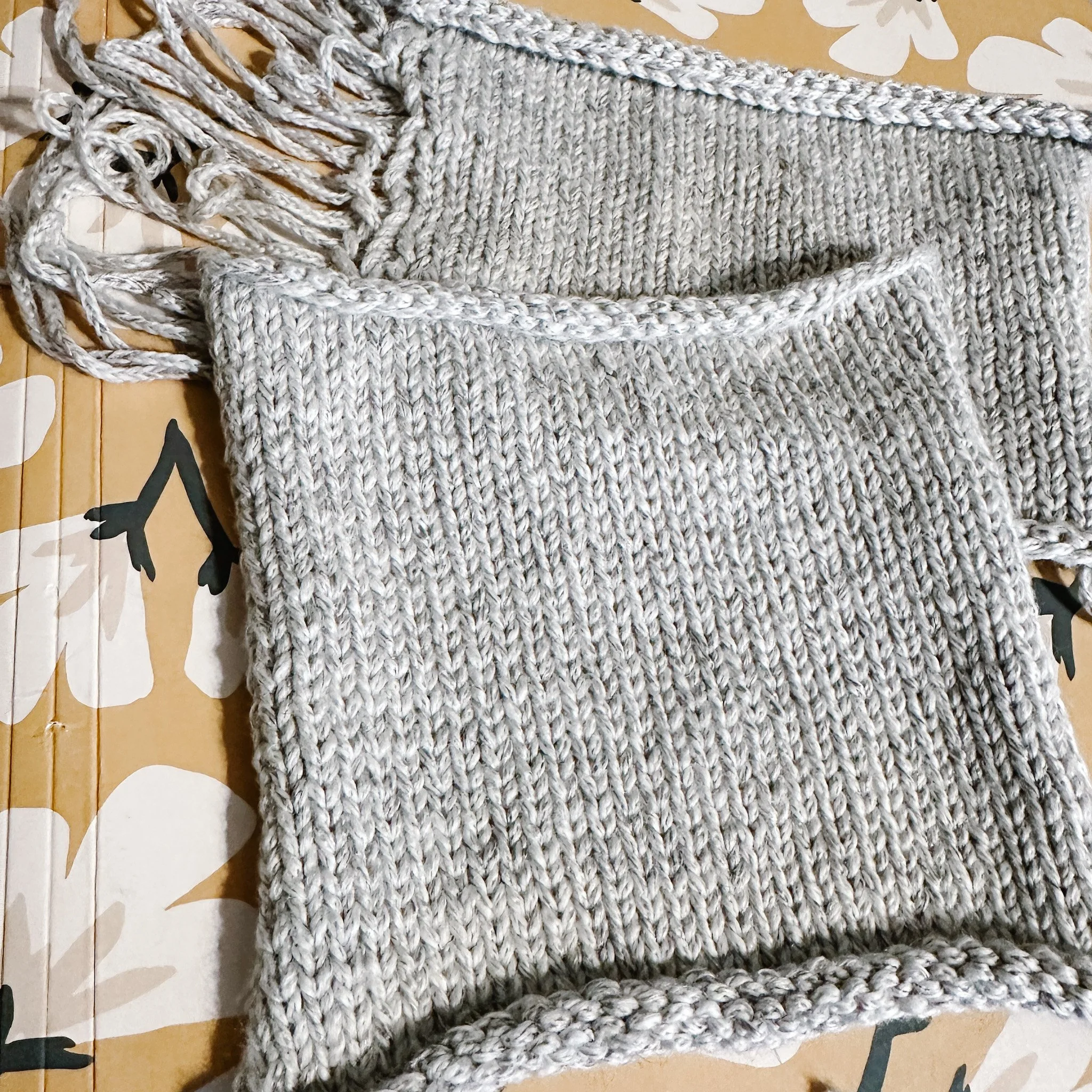
But softness doesn’t automatically mean the yarn will make a sweater that:
holds its shape
stays the size you knit
resists pilling
keeps crisp stitch definition
wears well over time
Here’s a simple example:
Wool often has natural spring and memory, which can help a sweater bounce back after wearing.
Alpaca can feel like a cloud—soft and luxurious—but it’s often drapier, heavier, and more likely to relax in a finished garment.
Neither one is “bad.” They’re just different personalities. And when you know what you’re working with, you can choose (or adjust!) with confidence.
The 3 Things That Actually Matter When Choosing Sweater Yarn
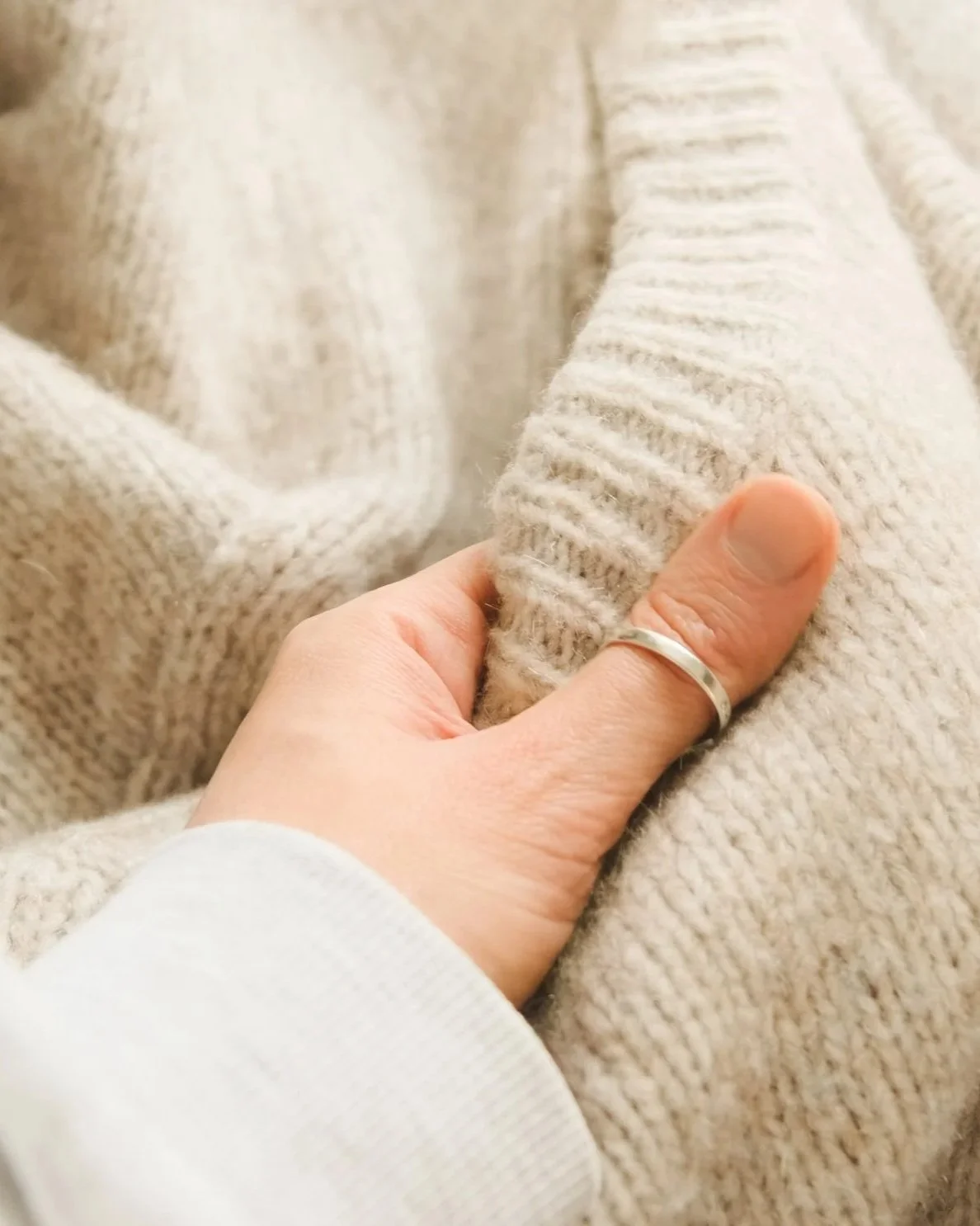
When you’re picking yarn for a sweater, these three factors will tell you much more than softness alone:
1) Structure: Will it hold its shape?
Structure is what gives your sweater “architecture.” It’s what helps ribbing recover, edges stay tidy, and the fabric keep its intended silhouette instead of collapsing or stretching out.
2) Durability: How will it wear in real life?
Sweaters live where friction happens: underarms, cuffs, elbows, straps, and bags. Durability is about how the yarn handles that everyday wear.
If you’ve ever had a sweater pill quickly or look “tired” after a few outings, durability was part of the story.
3) Behavior: What changes after blocking and wearing?
Some yarns bloom. Some relax. Some grow. Some settle into something even better than you expected.
Behavior is the reason a sweater can feel perfect off the needles… and different after the first wash, block, or day of wear.
And yes—there are ways to test fabric before committing (and I teach those deeply inside my sweater learning spaces). But for today, our goal isn’t to turn knitting into homework. It’s to understand what your yarn is likely to do—so you can plan for it.
If You Love a Soft Yarn… Here’s How to Help It Behave in a Sweater
Here’s the part I really want you to take with you: you don’t have to stop using soft yarns. You just want to give them the kind of support they need to become a sweater you’ll actually love wearing.
1) Add a “backbone” fiber
One of my favorite ways to make a drapier, slipperier yarn more sweater-friendly is to pair it with something that has memory.
For example:
Holding alpaca with wool can add bounce and help the fabric keep its shape
A supportive strand can help stitches “lock in” instead of relaxing too much
You can still get that soft, cozy feeling—without the sweater turning into a stretched-out surprise
Think of it as giving your yarn a gentle framework.
2) Knit at a tighter gauge for more structure
Gauge doesn’t just decide size. It changes the fabric’s personality.
In general:
Tighter gauge = more structure, support, and stability
Looser gauge = more drape, movement, and fluidity
A softer yarn knit densely can behave very differently than the same yarn knit loosely. And this is one of the simplest (and most powerful) ways to influence whether a sweater feels polished and holds up over time.
3) Choose sweater details that add stability
Even if the yarn is soft and drapey, the design choices can help it succeed.
Details that often support softer yarns include:
necklines and finishes that reinforce edges
ribbing choices that recover well
seams or seam-like structure that help a garment keep its shape
You don’t need to make a rigid sweater—just a sweater with enough structure to feel good in real life.
It’s Not About the “Perfect” Yarn
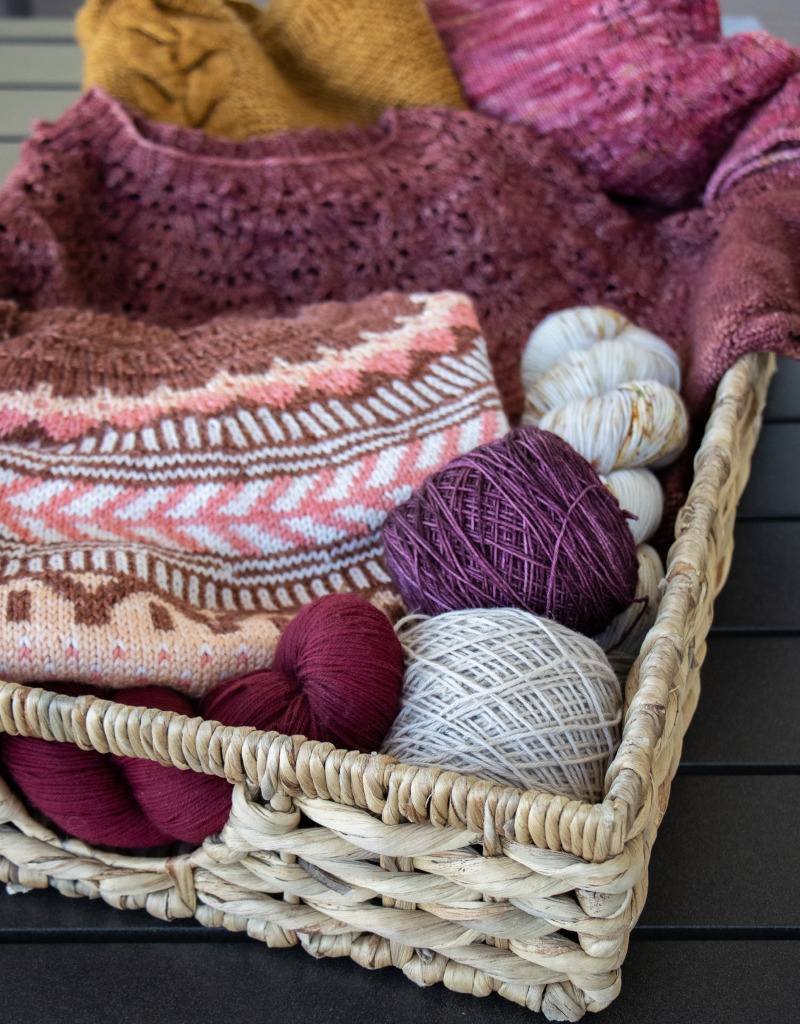
Let’s reframe this completely:
Yarn isn’t good or bad. Yarn is specific.
Every fiber has strengths. The goal isn’t to find one magical yarn that works for everything—it’s to match yarn to the sweater you want to wear.
When you understand fiber behavior, you stop relying on hope and start making choices on purpose:
“I want drape here.”
“I want structure here.”
“I want softness, but I want it to keep its shape.”
That’s sweater confidence. And it’s learnable.
Sweaters That Feel Better to Wear
A good sweater isn’t just one that looks nice on the blocking mats. It’s one that feels good on your body, lives well in your closet, and still makes you happy after the tenth wear.
And that kind of sweater doesn’t come from perfection.
It comes from understanding—and giving yourself permission to learn as you go.
If this post helped something click—and you want more calm, practical sweater guidance (the kind that makes sweaters feel doable, not intimidating)—I’d love to keep teaching you.
Want more sweater confidence in your inbox?
At the bottom of this page, you can join my newsletter for:
sweater tips that actually make sense
yarn + fiber guidance you can use right away
behind-the-scenes design and teaching notes
first access to classes + Sweater Club updates
Sign up here, and let’s keep building your sweater confidence together. 💛