Understanding Yarn Behavior: Why Fiber Matters More Than You Think
Choosing yarn can feel like standing in front of an ice cream freezer with 200 options, and no idea which one is going to melt all over your sweater later. Ok, all will eventually melt on my sweater the way I eat ice cream, but which one will not leave a stain? 🫠
Two skeins can look similar, match in weight and gauge, and still behave completely differently once they’re knitted up.
The reason is almost always fiber.
You’re standing there with two skeins that look similar, they’re the same weight, the label says the same gauge… and yet you have that tiny worry in the back of your mind:
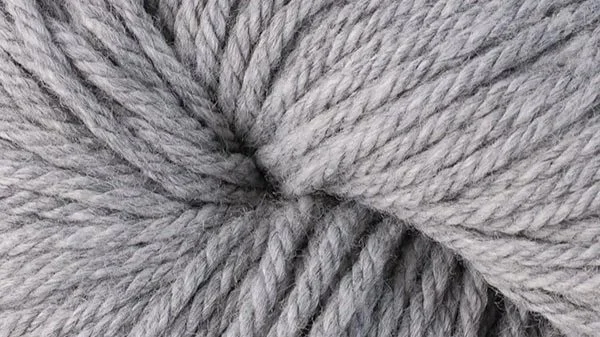
“Is this going to turn into a sweater I love… or a sweater that slowly becomes a long, saggy regret?”
Here’s the calm truth:
Two yarns can match in weight and gauge and still behave completely differently. And the reason is almost always fiber.
There’s a popular phrase I learned a long time ago, that I come back to again and again:
Fiber trumps all.
Meaning: fiber gets the final vote in how your finished project stretches, wears, pills, drapes, and holds shape over time.
So today, I want to give you a simple framework, not everything, just the most helpful starting point, so you can choose yarn with more confidence.
The 4 Fiber Terms That Change Everything (Without Overcomplicating It)
You’ll hear me use these terms in Fiber Files because they’re the building blocks for understanding yarn performance.
1) Staple Length
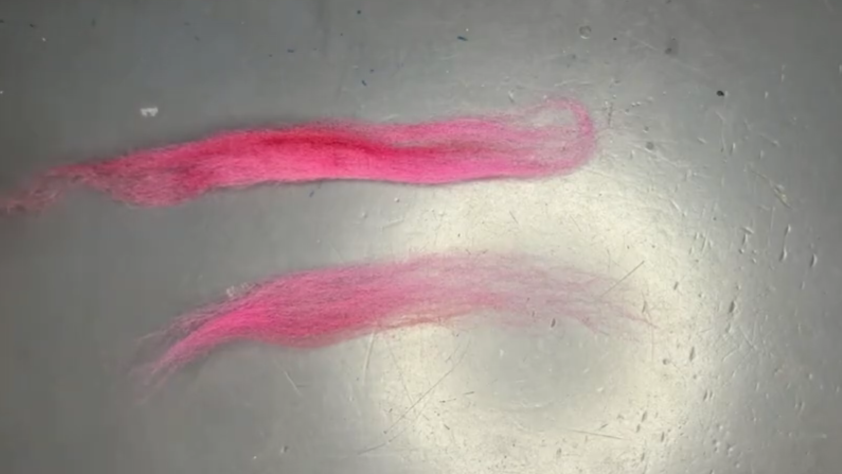
What it is: the length of the individual fibers in the yarn.
Why it matters: it influences strength and how well a yarn holds up to abrasion over time.
If you’ve ever wondered why one sweater looks tired after a season while another seems to live forever… staple length is one piece of that puzzle.
(We go much deeper into what this means for twist, fuzzing, shedding, and “workhorse yarn” choices in the full Fiber Files episode.)
2) Crimp
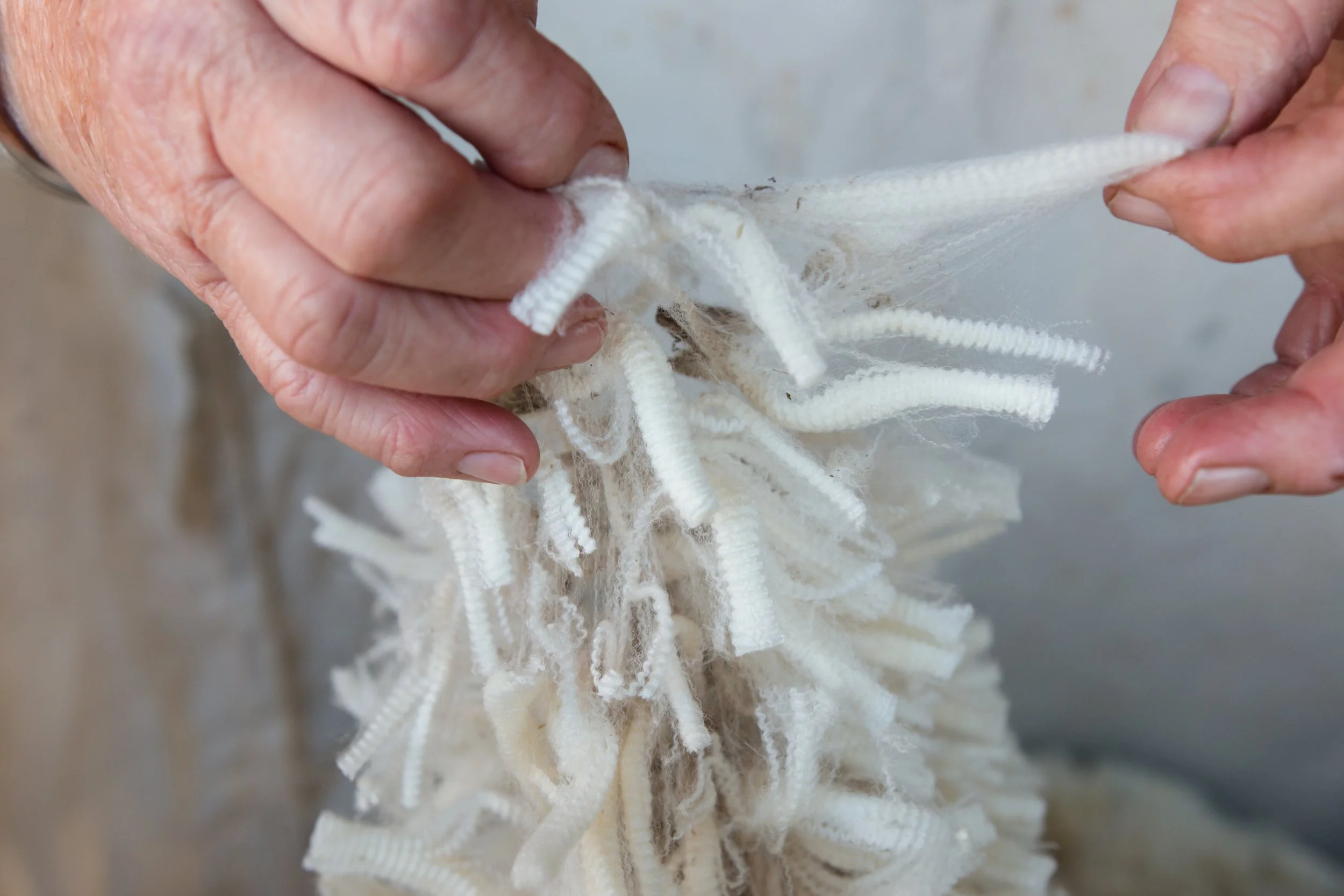
What it is: the natural wave/curl in a fiber.
Why it matters: crimp impacts bounce, warmth, and how “forgiving” a yarn feels when you knit.
Crimp is often why some yarns feel like they help your stitches look smooth… and others feel like they’re quietly judging you.
3) Luster
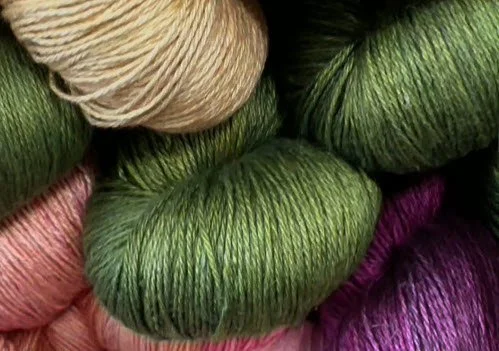
What it is: how shiny or reflective the fiber is.
Why it matters: luster often goes hand-in-hand with smoothness, and that can affect slip, drape, and stretch.
Luster can be absolutely gorgeous. It just comes with some trade-offs that are worth knowing before you commit to a big garment.
4) Micron
What it is: a measurement of how fine each fiber is.
Why it matters: micron strongly affects softness — and (this is the part most knitters don’t hear early enough) it can also affect durability.
This is where we get into the classic trade-off: softness vs. longevity.
You do not need to fear soft yarn. You just want to choose it on purpose.
A Quick “Reality Check” Before You Buy Yarn
If you only take one practical thing from this post, let it be this:
Hands are tough. The softest-feeling skein in your palm can still feel prickly at your neck. If you’re unsure, do this simple test:
Knit a small swatch
Block it
Wear it against your skin for 10–15 minutes.
That tiny step can save you so much disappointment later.
Want more yarn “behavior” clarity like this?
This post is meant to give you a clear starting point! The “ohhh… that explains a lot” moment, without dumping an entire textbook in your lap.
If you’d like to keep learning in a calm, practical way, here are the best next steps:
JOIN MY EMAIL NEWSLETTER for weekly-ish fiber + sweater insights, plus behind-the-scenes notes (the kind you actually have time to read).
FOLLOW ALONG ON INSTAGRAM for bite-sized tips, quick reframes, and the occasional “why is this yarn doing that?” moment.
And if you’re in a learning mood and want support that goes deeper than a single post, I share ongoing sweater education through my course and membership! I’ll always mention those gently in the newsletter so you can explore when you’re ready.
Happy knitting, and remember: Understanding builds confidence.