
Learning Happens Everywhere: On Knitting, Confidence, and Trusting Yourself
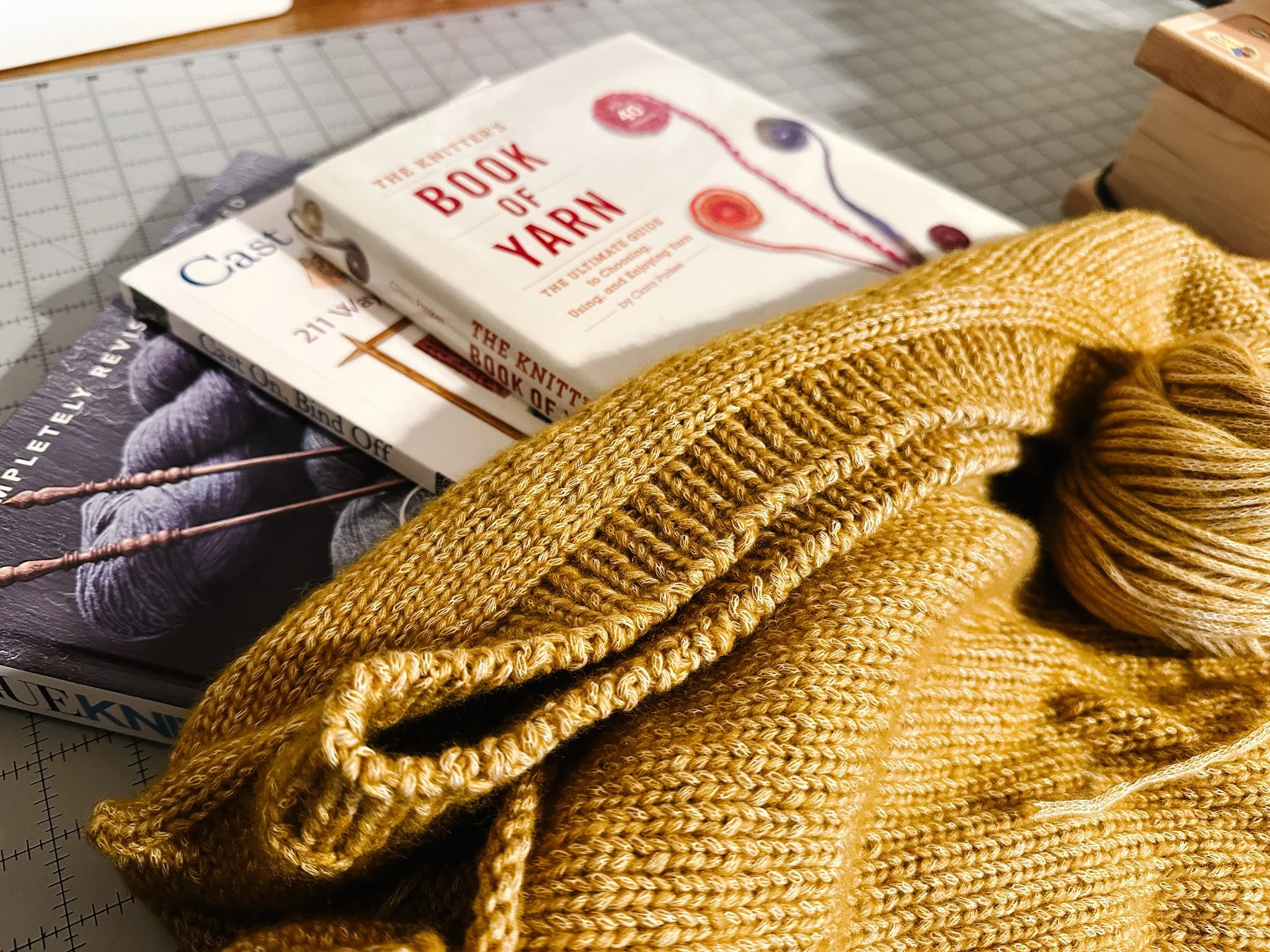
Learning doesn’t always look the way we expect it to. It doesn’t arrive neatly packaged or announce itself with confidence. Often, it shows up in the middle of uncertainty—when something doesn’t quite fit, when a technique feels awkward, when we’re not sure we’re doing it “right.” But learning is happening there, too. In fact, that’s often where it happens most—during the awkward and difficult moments.
Learning Doesn’t Always Look Like Learning
Learning happens everywhere—not just in classes or tutorials or moments that feel successful. It happens when we pause instead of rushing past frustration. It happens when something surprises us and we take a moment to wonder why. These moments don’t always feel productive, but they’re quietly shaping how we understand our work.
For many of us, especially as adult learners, it can be hard to recognize these moments as learning at all. We’re often taught—explicitly or not—that learning should feel clear, efficient, and measurable. But creative learning rarely follows that path. It’s slower, more personal, and sometimes uncomfortable. And that doesn’t mean it isn’t working. I often don’t realize I have learned something until I come back to a similar situation and find that for some reason it’s easier, and I did happen to understand what I was doing.
I often don’t realize I’ve learned something until I return to a similar moment later on. What once felt confusing now feels steadier. Not effortless—but clearer. I find myself understanding what I’m doing, even if I can’t point to exactly when that understanding took root. Learning doesn’t always announce itself in the moment. Sometimes it reveals itself only when we look back.
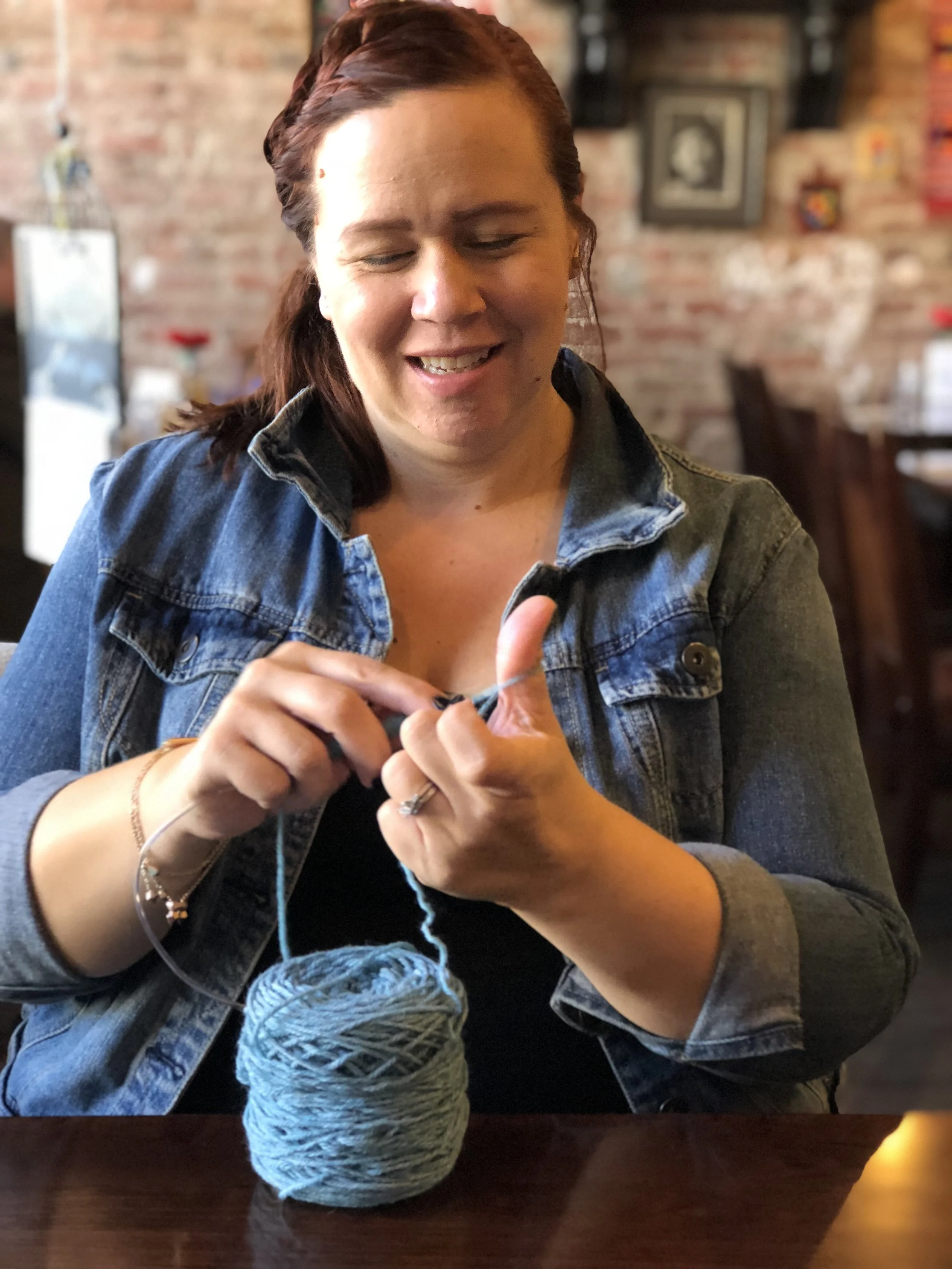
This is my good friend Marla, learning to knit.
No pressure. No performance. Just showing up, trying something new, and letting the learning unfold. 😊
Confidence Grows From Understanding
Creative confidence is often misunderstood. We tend to think of it as something you either have or don’t—something rooted in talent, experience, or personality. But in practice, confidence grows much more quietly than that. It grows from understanding.
I’ve often joked—and sometimes said very seriously—“fake it until you make it.” Not because I believe in pretending to know something you don’t, but because so many people get stuck before they even begin. Sometimes what we really need is permission to try, to take the first step, even when we’re not sure where it leads. The goal isn’t to perform with confidence. It’s simply to stay in the room long enough for learning to happen.
Each time you pause to notice what’s happening, each time you ask why something behaves the way it does, you’re building a foundation. That foundation doesn’t always feel like confidence in the moment. Often, it feels like uncertainty, curiosity, or mild discomfort. But over time, those small moments of understanding begin to stack. And eventually, you find yourself making decisions with more steadiness—not because you’re certain, but because you trust your thinking.
This is especially true in sweater knitting. Confidence doesn’t come from knitting faster or choosing harder patterns. It comes from understanding how fabric behaves, how construction works, and how small choices affect fit. When you understand those things, you don’t need everything to go perfectly. You know how to respond when it doesn’t.
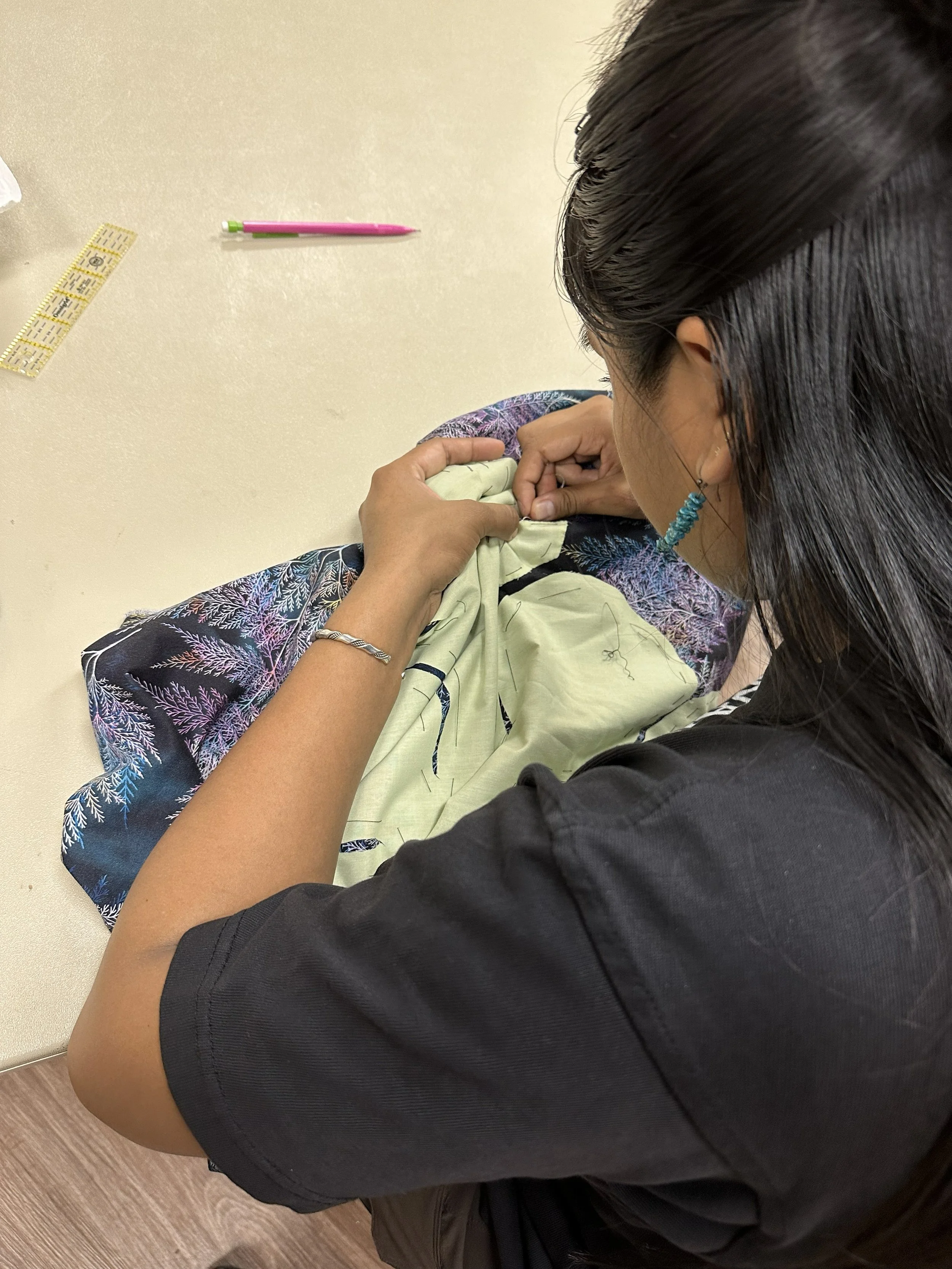
This is what practice looks like.
Not polished. Not rushed. Just hands learning what they need to know, exactly when they’re ready to learn it.
Learning Is a Practice, Not a Performance
When learning is treated like a performance, it’s easy to feel like we’re doing it wrong. We look for signs that we’re “good” at something, that we’re progressing fast enough, that our work looks the way it’s supposed to. And when those signs aren’t there, it can feel like failure.
This distinction matters to me because my background is in performing—both on stage in theater and as a vocal jazz singer. Performance asks you to step into a role. You take on a character, a version of yourself, or even the person the audience expects to see. Practice is something else entirely. In practice, there is no audience. The focus isn’t how it looks, but what you’re learning. You don’t do it for others. You do it for yourself.
Learning works the same way. It isn’t something we put on display. It’s a practice we return to again and again. It includes uncertainty, backtracking, and moments where things don’t make sense yet. None of that means we aren’t learning. It means we are in it.
This is one of the reasons sweater knitting can feel so vulnerable. Garments take time. They ask us to make decisions before we feel ready. They invite us to hold many pieces of information at once. But that’s also what makes them such powerful teachers. Each sweater carries the lessons of the ones that came before it, even when we don’t consciously realize it.
When we stop expecting learning to look polished, we give ourselves room to stay curious. We allow understanding to build at its own pace. And slowly, almost without noticing, confidence follows.
Trust Grows Over Time
When we treat learning as a practice rather than a performance, something important shifts. We give ourselves permission to try things out without needing them to look finished or impressive. We stop waiting to feel “ready” and start paying attention instead.
This can be especially meaningful for those of us with perfectionist tendencies—the ones who want to get it right before we begin, or who hesitate to practice unless we’re sure it will turn out well. Practice asks something different. It asks us to show up as we are, to work through the awkward parts, and to let learning unfold without demanding perfection first.
Practice is where learning gets to be personal. It’s where you can explore, repeat, and make sense of things at your own pace—without an audience, without pressure. And while it may not always feel like much is happening in the moment, growth has a way of showing up later. Often quietly. Often all at once.
So if you’re in a place where things feel unfinished or not quite right, that doesn’t mean you’re behind. It means you’re practicing. Keep showing up for the work itself, not for how it looks. Understanding will build, confidence will follow, and you won’t have to force either of them. They tend to grow on their own, given time and attention.
I’m always curious how others experience this.
Has there been a moment where something suddenly felt easier—not because it was perfect, but because you understood it better? If so, I’d love to hear about it in the comments.